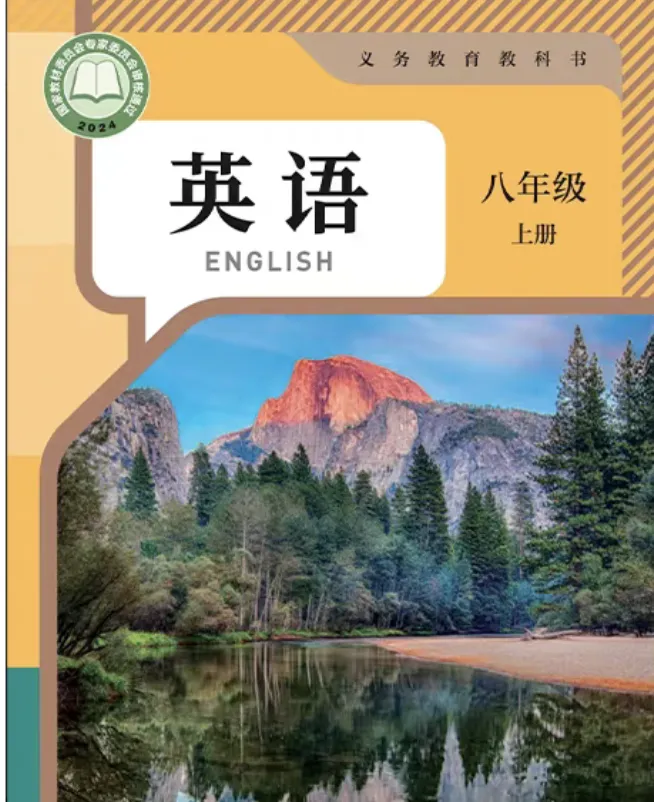
2026人教版八年级英语上册(全册)教案
- 2026-11-23 06:56:35
Unit 1 Happy Holiday
- Section A: How do people spend their holidays?
- Listening: Conversations about holiday experiences
- Speaking: Talk about holiday experiences
- Pronunciation: /iː/, /ɪ/, /e/, /æ/; rhythm
- Grammar: Indefinite pronouns; a review of the simple past tense
Unit 2 Home Sweet Home
- Section A: What can you do for your home?
- Listening: Conversations about chores at home
- Speaking: Discuss arrangements for your guests’ arrival
- Pronunciation: /ɔː/, /ɒ/, /uː/, /ʊ/, /ɑː/, /ʌ/; Sense groups and pauses
- Grammar: Can / Could for polite requests and permission
Unit 3 Same or Different?
- Section A: How are we different from each other?
- Listening: Conversations about what’s alike and different
- Speaking: Compare yourself with a partner
- Pronunciation: /ɜː/, /ə/; intonation
- Grammar: Comparatives with -(i)er and more; as… as
Unit 4 Amazing Plants and Animals
- Section A: What can plants and animals do?
- Listening: Conversations about animals and plants
- Speaking: Talk about amazing bamboo
- Pronunciation: /eɪ/, /aɪ/, /ɔɪ/, /bl/, /kl/, /gl/, /br/, /kr/, /gr/; Sentence stress
- Grammar: Superlatives with -(i)est and most
Unit 5 What a Delicious Meal!
- Section A: How do we make food?
- Listening: A conversation about making mashed potatoes
- Speaking: Describe the process for making food
- Pronunciation: /ʊə/, /aʊ/, /ɔɪ/, /eə/, /ɪə/, /sk/, /st/, /sp/, /str/; Intonation and pauses
- Grammar: Exclamatory sentences; countable / uncountable nouns
Unit 6 Plan for Yourself
- Section A: When do we make plans?
- Listening: Conversations about dream jobs
- Speaking: Talk about future intentions
- Pronunciation: /h/, /w/, /θ/, /ð/, /k/, /kw/, /ʃ/, /ʒ/; weak forms
- Grammar: Future with be going to; infinitives as objects
Unit 7 When Tomorrow Comes
- Section A: What are your predictions about the future?
- Listening: Conversations about what’s coming up
- Speaking: Make predictions about the future
- Pronunciation: /n/, /ŋ/, /ŋk/, /tʃ/, /dʒ/, /f/, /r/; Intonation
- Grammar: Simple future tense (will)
Unit 8 Let’s Communicate!
- Section A: How do we communicate?
- Listening: Conversations with family members near and far
- Speaking: Encourage people to communicate
- Pronunciation: /-p/, /-b/, /-t/, /-d/, /-k/, /-g/, /-ʃ/, /-ʒ/, /-tʃ/, /-dʒ/; pronunciation review
- Grammar: Zero and first conditionals
Unit 1 Happy Holiday
- Section A: How do people spend their holidays?
一、基本信息
●课题:Section A How do people spend their holidays?
●课型:听说课
●课时:1 课时(45 分钟)
●授课对象:初中学生
●教材版本:通用初中英语(可适配湘教版 / 外研版等)
二、核心素养目标
1. 语言能力
●词汇:holiday, travel, visit, stay at home, read books, go swimming, take photos, have a picnic, camp
●句型:—How do people spend their holidays? —They… —What did you do on your holiday? —I…(可根据教材调整一般现在 / 一般过去)
●能听懂谈论假期活动的简短对话;能用目标句型询问、介绍假期活动,语音语调自然。
2. 文化意识
●了解国内外不同的假期休闲方式,理解假期活动背后不同的生活习惯;懂得合理规划假期,劳逸结合,热爱生活。
●尊重别人不一样的度假选择,形成包容的文化观念。
3. 思维品质
●能对不同假期活动进行分类、对比;能简单评价假期方式的优缺点;能根据提示大胆想象、表达自己理想的假期。
4. 学习能力
●学会用思维导图梳理假期活动短语;学会听前预测、抓关键词的听力策略;乐于小组合作,主动开口交流。
三、教学重难点
●重点:掌握假期活动短语;熟练运用句型 How do … spend their holidays? 问答假期活动。
●难点:在真实语境中灵活运用句型,连贯描述假期安排;注意时态区分(一般现在表习惯 / 一般过去表过去假期)。
四、教学准备
PPT、假期活动图片、音频、任务单、思维导图模板
五、教学过程
Step1 Warming-up & Lead-in 热身导入(5min)
1. Greeting. 师生问好,自由问答:Do you like holidays? Why?
2. 出示假期图片(野餐、旅行、宅家看书等),引出主题 holiday,板书课题:How do people spend their holidays?
3. 素养渗透:引导学生思考:Holidays are for rest and fun.
设计意图:激发兴趣,创设主题情境,激活已有知识。
Step2 Presentation 新知呈现(12min)
1. 借助图片 + 音频,呈现核心短语,带读、纠音: stay at home, visit relatives, travel, have a picnic, go swimming, take photos, read books, camp
2. 板书核心句型: —How do people spend their holidays? —They stay at home /go travelling…
3. 示范问答:教师和一名学生示范对话,理解 spend 的含义 “度过”。
4. 分层输入:区分两种时态版本 ✅ 版本 1(一般现在,谈论人们通常怎么度假):How do people spend their holidays? ✅ 版本 2(一般过去,谈论刚刚过去的假期):How did you spend your holiday?
设计意图:音形义结合输入,搭建语言支架,降低表达难度。
Step3 Listening 听力训练(10min)
1. 听前:预测听力内容,看题干,圈关键词(activities)。
2. 任务 1:Listen and match 人物和假期活动
3. 任务 2:Listen again, fill in the blanks(抓取关键动词短语)
4. 听力策略小结:听的时候重点捕捉动作词组,不用逐词听懂。
5. 核对答案,跟读录音,模仿语音语调。
设计意图:训练听关键词的策略,落实语言能力。
Step4 Practice 操练巩固(10min)
1. 机械操练:Pair work 结对问答,套用句型。 A: How do you spend your holidays? B: I often… A: How do your family spend holidays? B: They…
2. 意义操练:小组活动(4 人一组) 调查表:询问组员假期活动,完成表格,之后选代表汇报: In our group, … spends holidays by…
3. 思维拓展提问:Which holiday activity do you like best? Why?
设计意图:从机械到真实交际,发展思维,锻炼口头表达。
Step5 Production 综合输出(5min)
任务:My ideal holiday(我理想的假期) 提示支架: I like holidays. I want to … I think it’s great because… 学生口头展示,教师鼓励评价,引导学生说出健康、有意义的假期方式(读书、运动、陪伴家人等),渗透德育。
Step6 Summary & Homework 小结 + 作业(3min)
1. 小结:师生一起用思维导图回顾短语、核心句型。
2. 分层作业
●基础:抄写短语,跟读录音 3 遍
●提升:用 5 句话写一写 How I spend my holidays
●拓展:采访一位家人,记录他的度假方式,下节课分享
六、板书设计
How do people spend their holidays?
Phrases: stay at home have a picnic travel take photos go swimming visit relatives Sentences: —How do people spend their holidays? —They … —How do you spend your holidays? —I …
七、评价设计(素养导向)
1. 过程性评价:课堂观察,评价学生倾听、开口、小组合作表现;
2. 语言评价:看句型使用是否准确,发音是否清晰;
3. 思维文化评价:是否能说出理由,是否认同健康、有意义的假期生活。
八、教学反思(课后填写)
1. 学生是否能熟练区分时态,会不会混淆 do/did;
2. 输出环节学生表达是否丰富,是否需要更多支架;
3. 文化拓展是否自然,有没有落实劳逸结合、陪伴家人的正向引导。